Schizophrenia — FSonicSmith
I don't think David Lynch would utilise dreams as a plot device. I think he would consider it too easy, a cheap sleight-of-hand technique that is both well-worn and beneath him. Mr. Lynch prefers depictions of madness. Fantasy, neurosis, and delusional psychosis are simply matters of degree to him. Out of this backdrop, I think Diane Selwyn was schizophrenic and her mental illness stemmed from being abused as a child by her father's best friend. Her form of schizophrenia does not involve acting out as different personas but instead involves delusions of being different personas. She comes to Hollywood from Canada believing that she won a jitterbug contest that never really happened — and not only are her dreams of success in Hollywood dashed, but she is involved in a short-lived lesbian relationship with the character L.J. De Rosa which terminates with Diane moving out to an adjoining apartment. Virtually everything else in the film is simply the product of Diane's psychosis. As noted by virtually everyone, there are themes of duality everywhere.
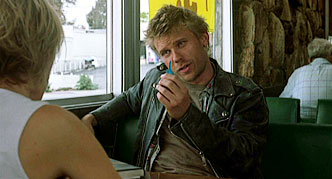
This theory of schizophrenia helps explain the psychoanalysis-like scene in which the unidentified man attempts to sort out his dreams in the diner. I think the man was simply another persona adopted by Diane — perhaps in an attempt to confront fear of the devil as a man rather than as a woman — and still being so frightened by the visage of death/the Devil as to die of shock and fear.
The "Silencio" scene in this context is better explained. It represents a brief interlude of lucidity by Diane. Her alter-ego personas of both Betty and Camilla — who are really nothing more than multiple personalities of herself — upon hearing the fado-like singing of the Hispanic singer, are crying because Diane is intensely sad upon lapsing back into harsh reality from the softly focused numbness and comfort provided by her delusional world.
David Lynch relishes the ultimate duality: that the cut-throat, corrupt, lurid, seedy, and fake world of Hollywood is best viewed from the distorted lens of an insane person, as if the insanity acts as an ironically effective filter for all of the distortion existent in the "real world." This, of course, has been a recurring theme in much of David Lynch's work, all the way back to Eraserhead.